The bathtub is one of the easiest places in a guest room to get hurt. CDC researchers estimated that about 234,000 people aged 15 and over were treated in U.S. emergency rooms for bathroom injuries in a single year, 81% of them from falls, with the highest injury rate in or around the tub or shower.
One detail from that study matters for hotels: more than a third of injuries happened while bathing, showering or getting out of the tub or shower, and only about 2% while getting in. A guest standing on a wet, soapy, glossy surface is exactly the moment to design for.
There are five common ways to make a tub floor less slippery. They differ a lot in cost, how they look, and how they hold up to daily housekeeping. Here's an honest comparison.
Why hotel tubs are a special case
- Unfamiliar bathroom. Guests don't know the tub's height, the grab points or how slick the floor is.
- Tired, jet-lagged, or up at night. Not the conditions anyone is at their steadiest in.
- A wide range of guests. Older travelers, families with children, guests who've been drinking.
- Heavy cleaning. Tubs are cleaned daily, often with strong products, which wears down anything stuck to or sitting on the surface.
- Every solution has to survive turnover. Anything a guest can move, peel or take away will eventually be moved, peeled or taken away.
The five options, compared
| Option | Upside | Downside for a hotel |
|---|---|---|
| Rubber or suction-cup bath mats | Cheap, instant, no downtime | Need cleaning between guests, get moved or left out, trap water and mildew underneath. Suction cups can pull at refinished surfaces. |
| Adhesive strips or appliqués | Low cost, quick to install | Edges lift and collect grime, look dated, need regular replacement, and can leave residue when removed. |
| DIY etching treatments | Low material cost | Results vary by surface and by who applies it. Many products are made for porcelain or ceramic only, and a poor job can leave the tub dull or patchy. |
| Professional anti-slip surface | Built into the tub floor: nothing for guests to move, nothing to peel, consistent from room to room | Each room is offline for roughly two days while the coating cures. Costs more per tub than mats or strips. |
| Replace with textured-bottom tubs | Brand-new tub | Demolition, plumbing and tile work, a room offline for a week or more, and by far the highest cost. |
Mats and strips are fine as a stopgap. For a property that wants a permanent, consistent standard across every room, the realistic choice is between a professional anti-slip surface on the existing tubs and replacing the tubs entirely.
How a professional anti-slip surface works
The tub is deep-cleaned and prepared, then a slip-resistant surface is applied to the standing area of the tub floor, where people actually put their feet. The sides and rim stay smooth, so the tub still looks clean and finished.
If a tub is also chipped, stained or dated, the anti-slip floor can be built into a full refinish in the same visit. That way you fix appearance and safety together, with one cure time instead of two.
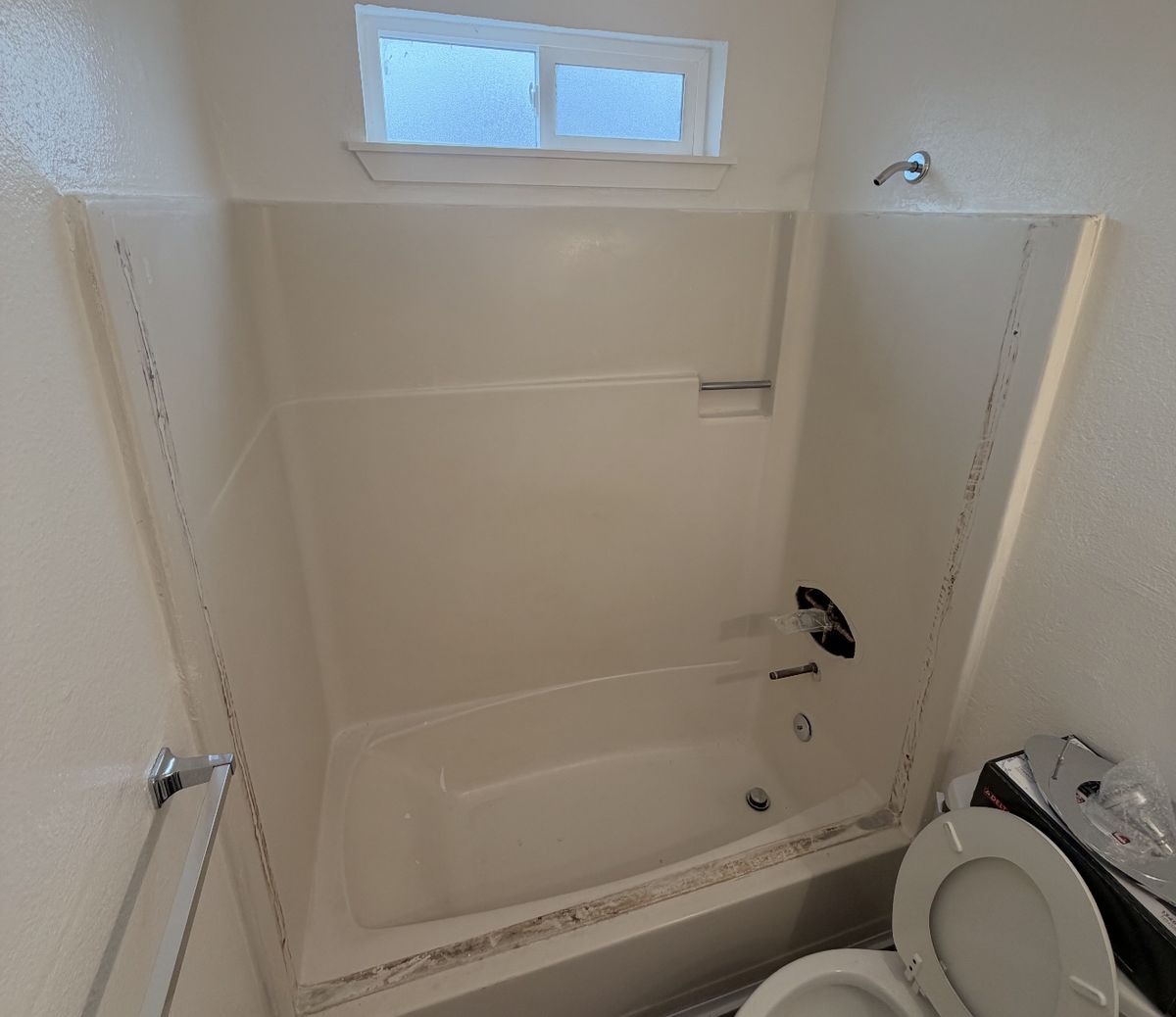 Before
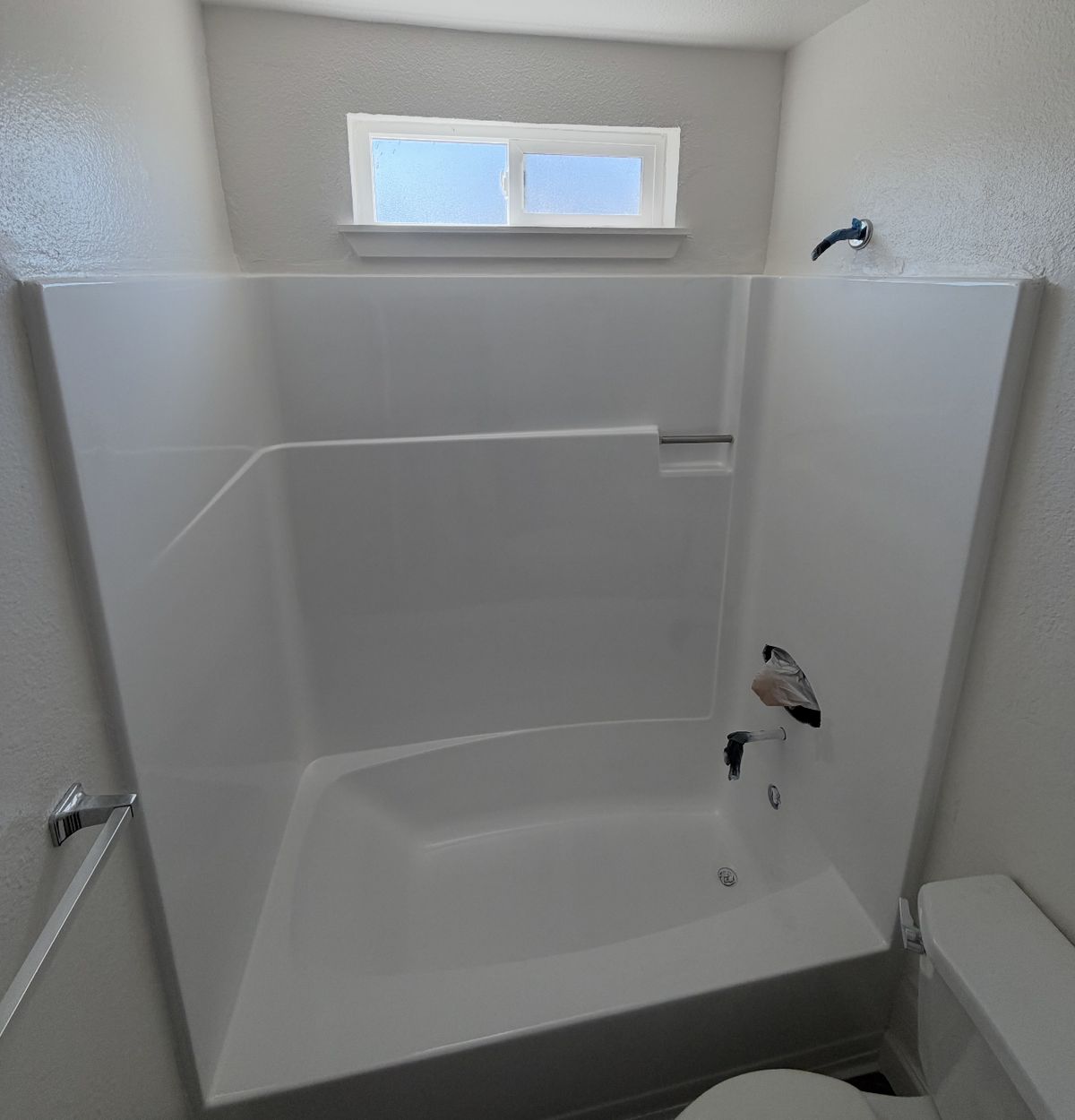 After
Rolling it out without losing rooms
- Audit. Walk a sample of rooms and note each tub's material and condition. Some will need the anti-slip treatment only; some will need a refinish too.
- Prioritize. Start with accessible rooms, rooms most booked by older guests or families, and the tubs in the worst shape.
- Pilot one or two rooms. Let managers and housekeeping see and feel the result, and confirm the cleaning routine works, before committing to the rest.
- Batch around occupancy. Take a block of rooms offline at a time, ideally during slower weeks, so most of the property keeps selling.
- Brief housekeeping. Textured surfaces need slightly different cleaning (see below). A five-minute briefing protects the investment.
- Re-check once a year. Add tub surfaces to your regular room inspection so any worn areas get spotted early.
An anti-slip treatment or a full refinish typically needs about 24 to 48 hours to cure before guests use the tub, so budget about two days per room, against a week or more for replacement.
If a room has to turn faster, ask about fast-dry coatings. Danny's offers a 4-hour fast-dry coating, a special coating style that is separate from the anti-slip treatment and full refinish, and is ready for guests in about 4 hours.
Housekeeping: keeping the grip
Do
- Clean with a soft-bristle brush and a non-abrasive, bleach-free cleaner
- Rinse thoroughly: leftover soap film makes any surface more slippery
- Ventilate the bathroom after cleaning
- Report chips or worn spots early
Don't
- Use scouring powder, scouring pads or steel wool
- Use bleach or harsh acid cleaners on the finish
- Put suction-cup mats on top of the treated area
- Let cleaning product sit on the surface
What to ask any contractor
- Which tub materials is your anti-slip surface suitable for, and what do you do differently for each?
- How long will each room be out of service (how long until the coating is dry), and how do you handle ventilation and odor?
- Can we do a pilot room first?
- What are the written warranty terms for commercial work?
- What cleaning products should housekeeping use, and which should they avoid?
- Can we see photos of previous work?
A good contractor will answer all of these plainly, and tell you if a tub is past saving.
A note on liability
A slip-resistant tub floor reduces risk; it doesn't eliminate it, and it isn't a substitute for grab bars, good lighting and a dry bathroom floor. If you're making changes for insurance or accessibility reasons, check the specifics with your insurer, risk manager or accessibility consultant. This article is general guidance, not legal advice.
Want to see it on your property?
Danny's works with hotels, motels and inns across the Bay Area, Central Valley and Santa Cruz coast. We'll walk your property for free, tell you which tubs need what, and give you a written per-room proposal and schedule. See how it works for hotels →
More reading: Reglazing vs. Replacing: The Real Cost Comparison and How Long Does Bathtub Reglazing Last?